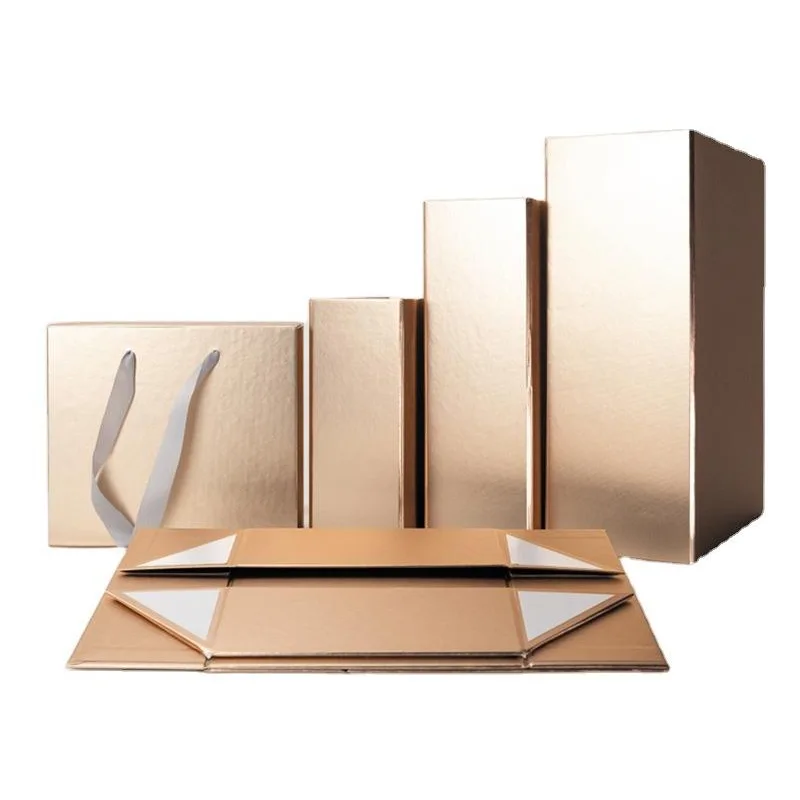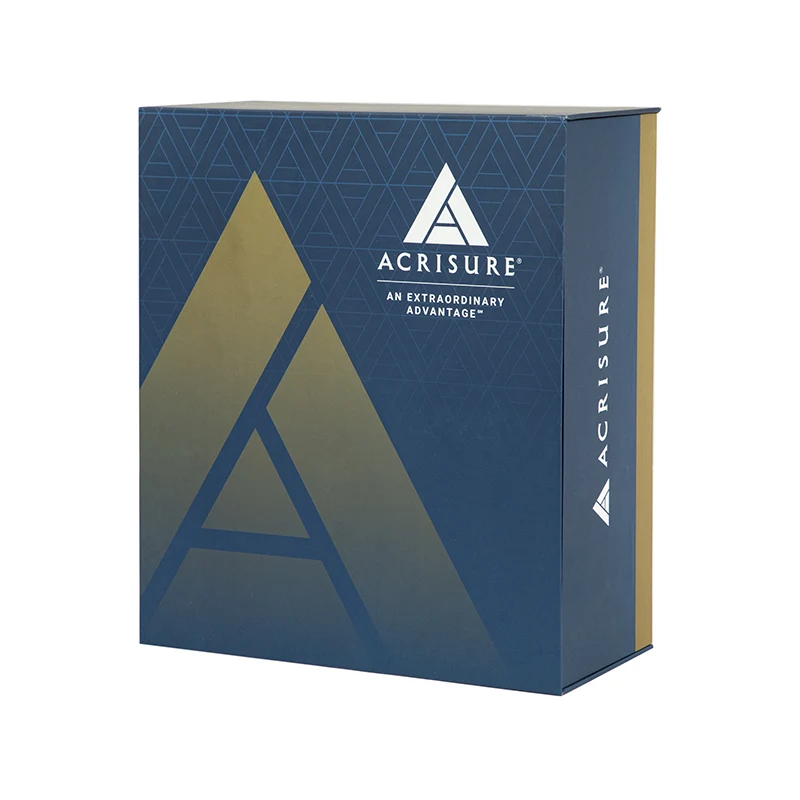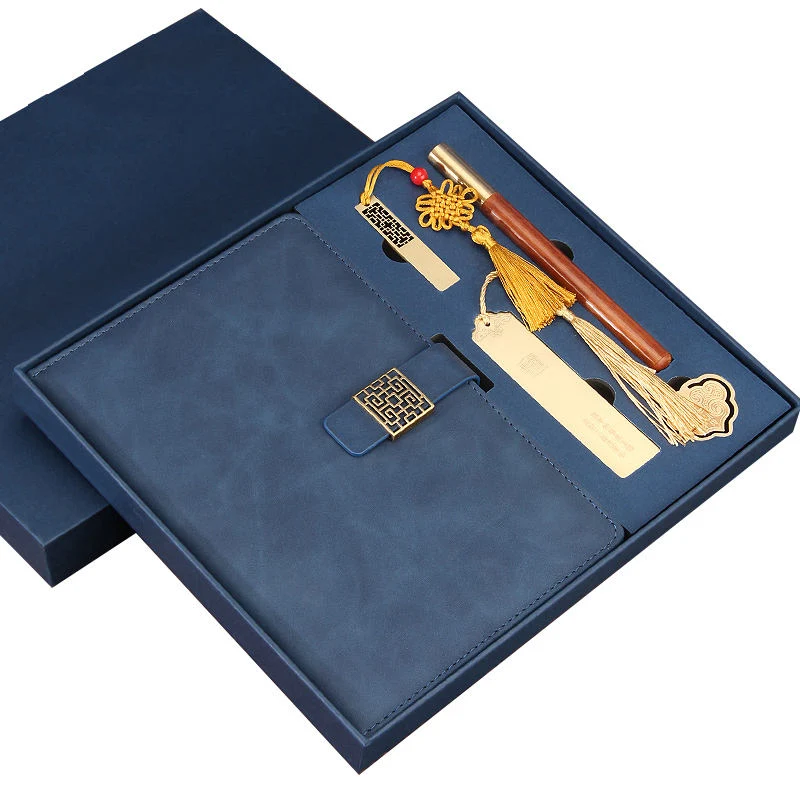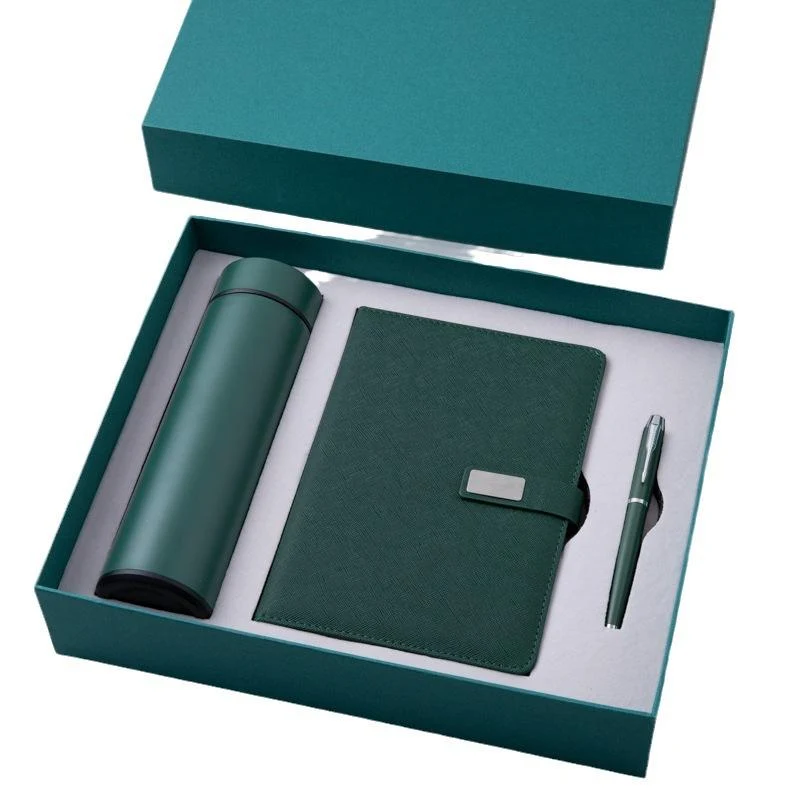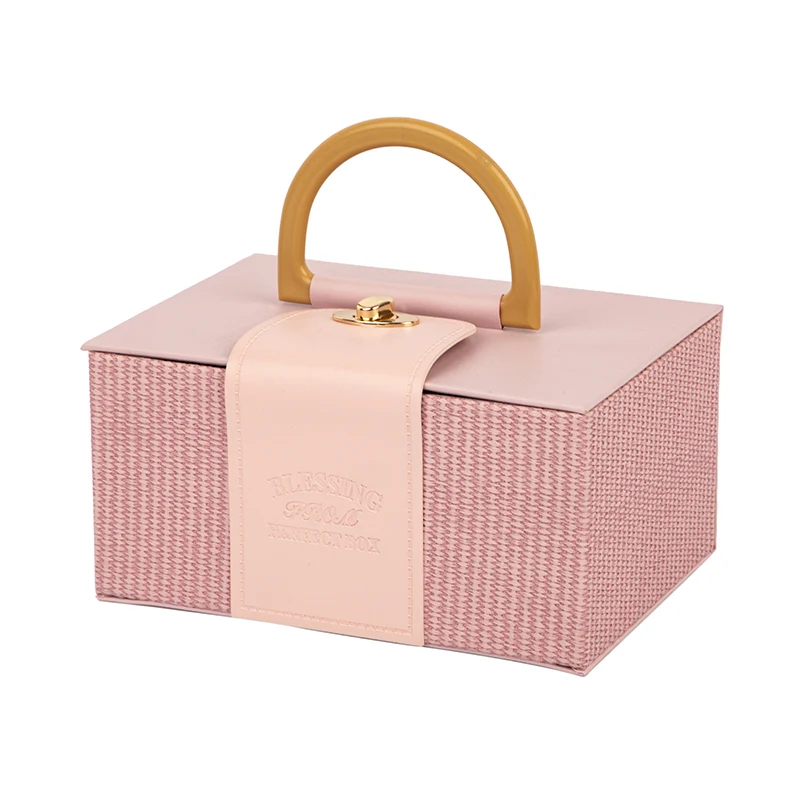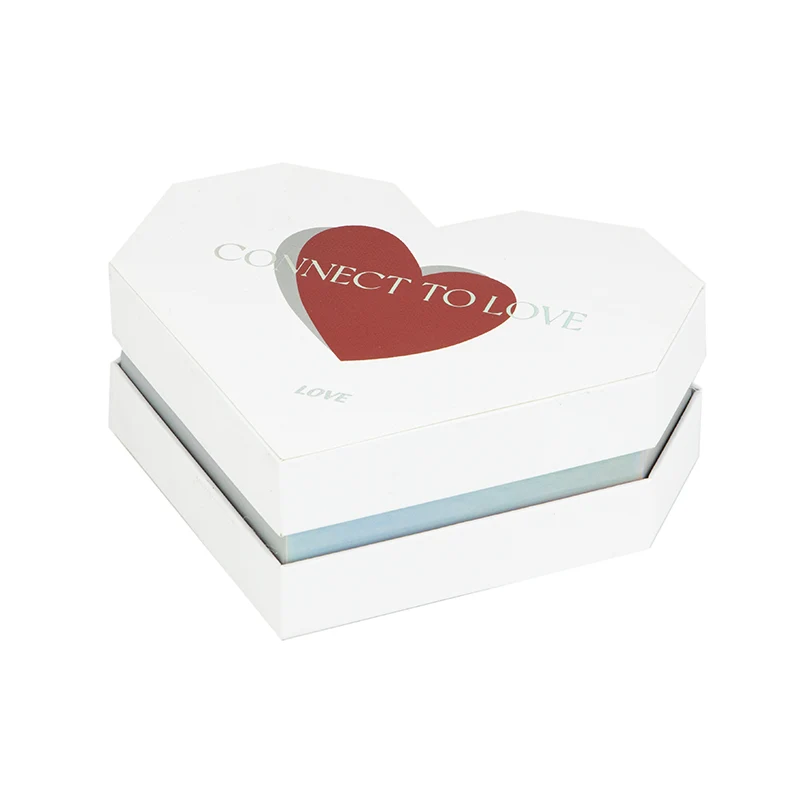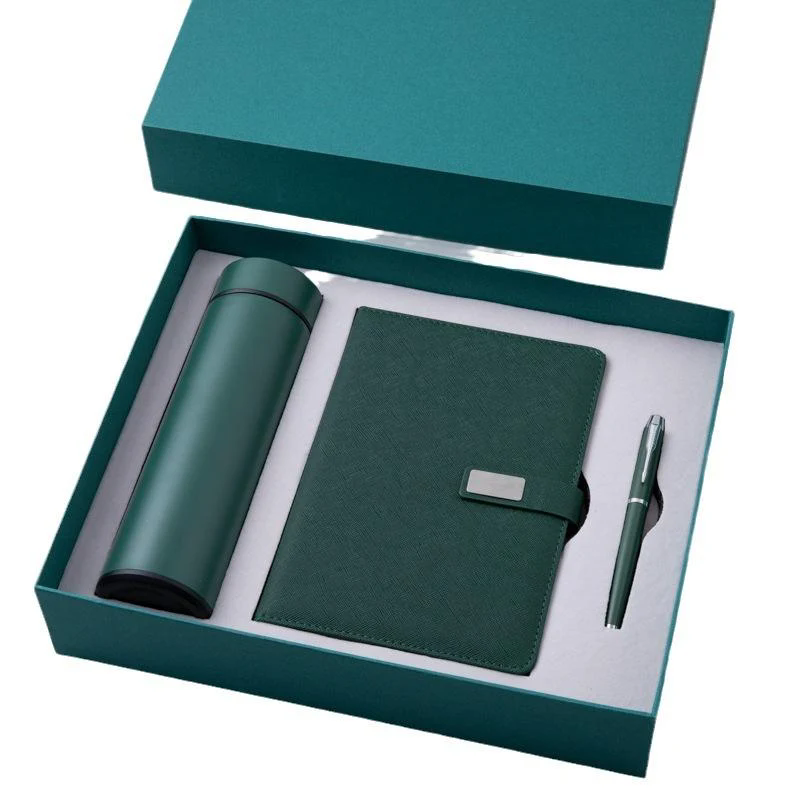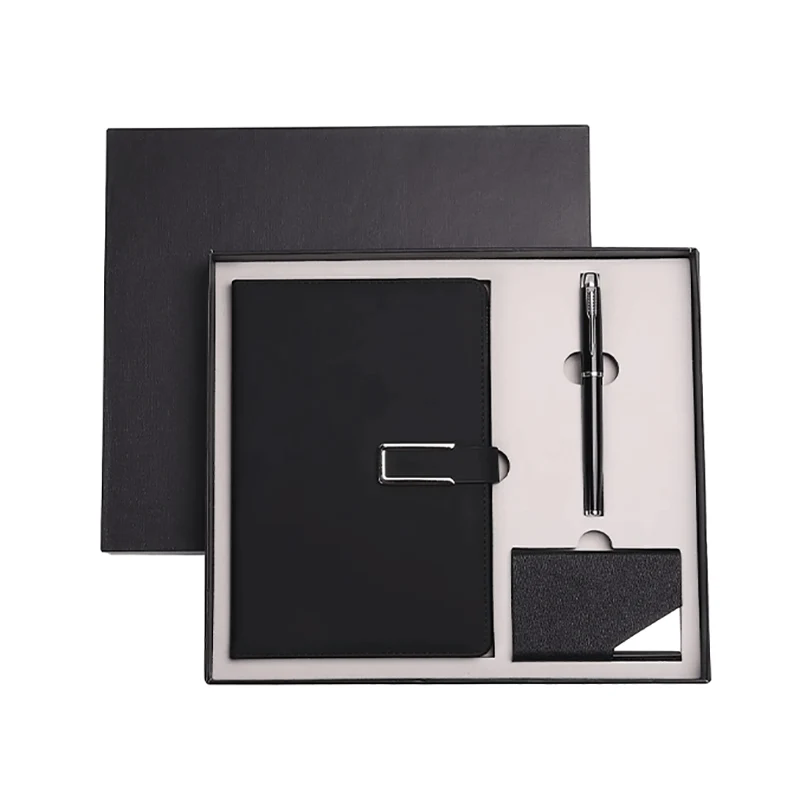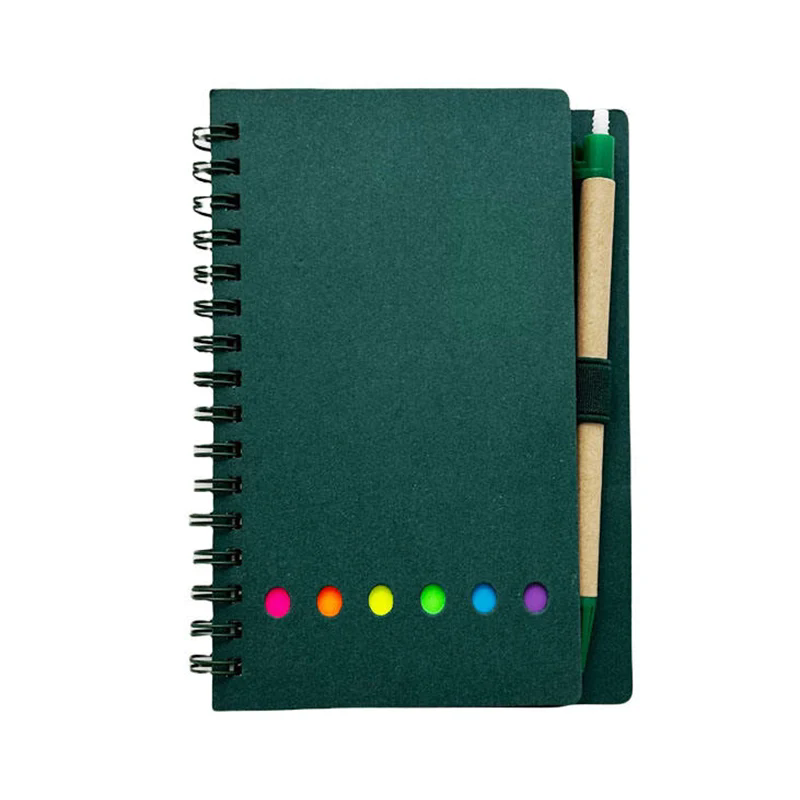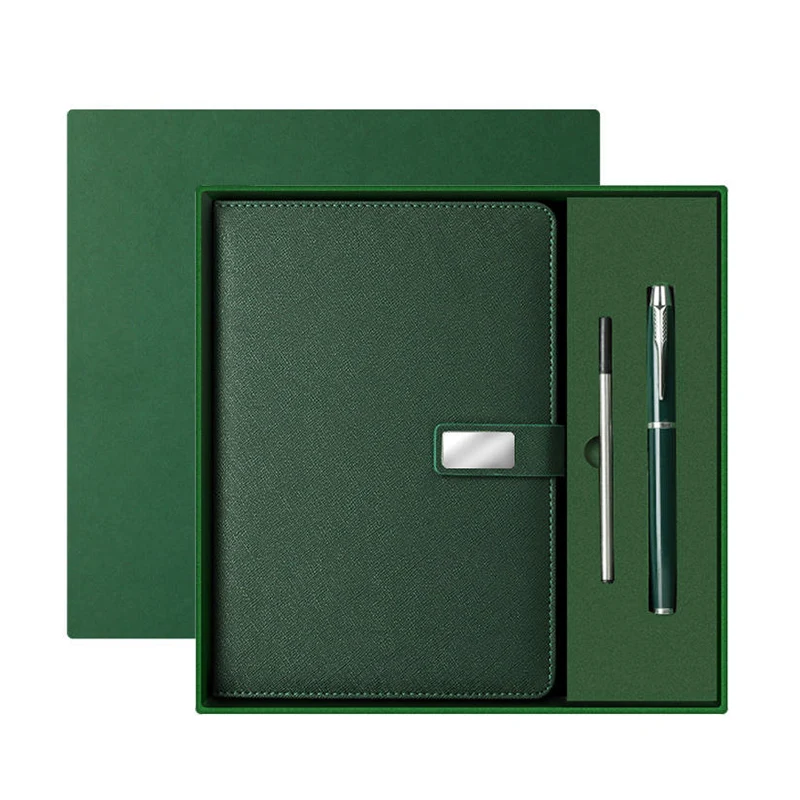
A corporate notebook gift is not simply a notebook. It is a communication from the company to the recipient, and the packaging is the first physical element of that communication. The recipient sees the box before they see the notebook. They feel the material, open the lid, and encounter the notebook inside. This sequence of sensory impressions shapes the perceived value of the Gift Sets before a single page is turned. A generic brown box tells the recipient that the gift is ordinary. A well-designed custom box tells the recipient that the company has invested thought and care. For procurement teams sourcing corporate notebook gifts, the packaging decision is therefore not a decorative afterthought. It is a core element of the gift's purpose.
Custom packaging matters for corporate notebook gifts because it performs four functions at once: it elevates perceived value, it protects the Gift Sets during distribution, it reinforces brand recall, and it creates a shareable unboxing experience. Each function has a different design implication, and each one affects the procurement specification. This article explains these functions, the packaging options that support them, the parameters that buyers should specify, and the criteria for evaluating a packaging supplier. The content is organized around the questions a procurement team should ask, and it includes the product parameters and documentation that a reliable supplier should provide. Our factory at Yanhe produces Gift Sets with custom packaging for corporate clients, and the guidance below reflects the design and procurement standards we apply to the products we supply.
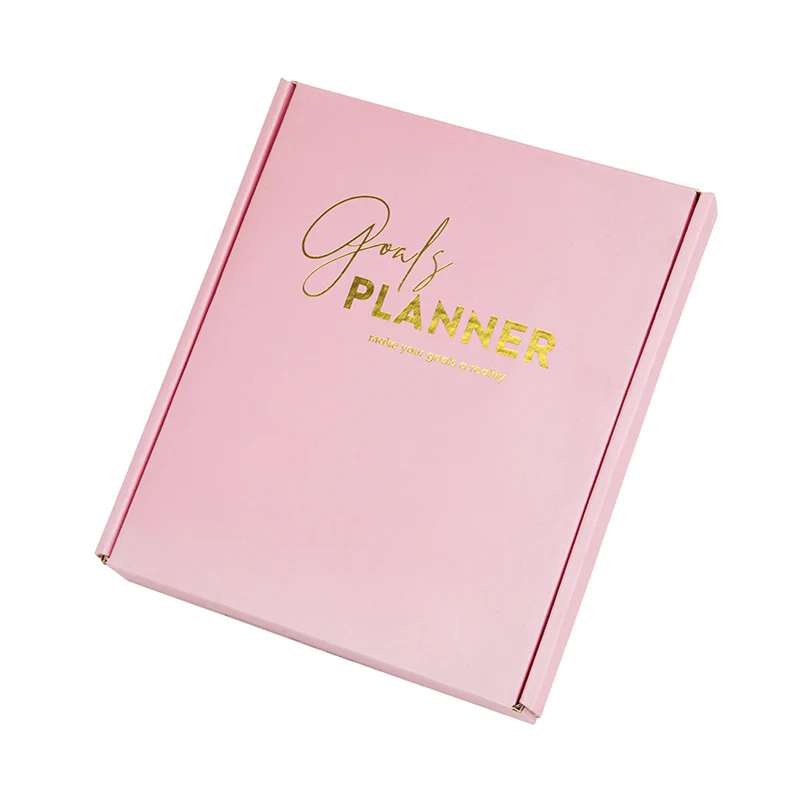
Perceived value is the recipient's judgment of how much the gift is worth, and the packaging is the first cue that shapes that judgment. Research in consumer psychology shows that the same product is rated more highly when it is presented in a premium package. The effect is not superficial. It is a cognitive shortcut: the brain uses the packaging as evidence of the care and quality behind the product. For corporate notebook gift sets, this effect is particularly strong because the recipient is comparing the gift to other corporate gifts they have received. A plain box places the gift in the commodity category. A custom box places it in the thoughtful category.
The perceived value effect operates through several design elements: the material of the box, the finish, the fit of the notebook inside, the closure, and the printed elements. A rigid box with a magnetic closure and a soft-touch lamination signals premium quality. A corrugated box with a printed sleeve signals a practical, cost-conscious gift. Neither is inherently better, but the choice must match the brand positioning and the recipient relationship. The table below maps packaging elements to perceived value signals.
| Packaging Element | Premium Signal | Practical Signal | Procurement Note |
| Box type | Rigid box with magnetic closure | Corrugated box with printed sleeve | Match to brand positioning |
| Surface finish | Soft-touch lamination, spot UV | Matte or gloss lamination | Consider fingerprint resistance |
| Interior fitment | Custom die-cut foam or molded pulp | Corrugated insert or paper wrap | Protects the notebook and pen |
| Printing | Foil stamping, embossing | Full-color offset printing | Align with brand guidelines |
| Closure | Magnetic or ribbon tie | Tuck flap | Consider recipient ease of opening |
The perceived value effect is not limited to the moment of opening. The packaging remains in the recipient's office or home, and it continues to signal the brand's quality long after the gift is received. A well-made box can be reused for storage, which extends the brand presence. A flimsy box is discarded immediately, and the brand signal disappears. This is why the packaging material and construction are as important as the printed design. Our factory at Wenzhou Yanhe Technology Co., Ltd. designs Gift Sets with packaging that matches the brand's positioning, whether the target is a premium executive gift or a practical employee welcome kit. The goal is to make the perceived value consistent with the relationship the company wants to build.
For a buyer, the perceived value question should be answered before the packaging is specified. Ask the internal stakeholder what the gift is intended to communicate. A gift for a senior client may justify a rigid box with a magnetic closure. A gift for a large employee group may justify a well-printed corrugated box that balances cost and presentation. The packaging should be selected to deliver the intended signal, not to match a default template.
Custom packaging protects Gift Sets during distribution and storage by controlling the mechanical, environmental, and handling conditions that the product experiences before it reaches the recipient. A notebook gift set typically includes a notebook, a pen, and sometimes accessories such as a bookmark or a USB drive. These items can move inside the package during shipping, and the movement can cause scratches, dents, and broken pen clips. The packaging must hold the items in place and cushion them against impact. The table below describes the protection functions and the design features that deliver them.
| Protection Function | Risk Without Custom Packaging | Design Feature |
| Item immobilization | Notebook and pen move and scratch | Die-cut foam, molded pulp, or fitted insert |
| Impact cushioning | Corner dents and cover damage | Corrugated buffer, foam padding, or air cushion |
| Surface protection | Scuffs on leather or PU cover | Soft tissue wrap or protective sleeve |
| Moisture protection | Warping or mold in humid storage | Moisture barrier bag or desiccant |
| Stacking strength | Crushed boxes in warehouse | Rigid box or double-wall corrugated construction |
The protection function is often underestimated because the damage is not always visible at the time of packing. A notebook that is loose in a box may arrive with a scuffed cover that the recipient notices immediately. A pen that is not secured may arrive with a cracked barrel. These defects undermine the perceived value that the packaging was intended to create. The protection and the presentation are therefore connected: a package that protects the product also protects the brand's investment in the gift.
The distribution environment also includes storage. Corporate Gift Sets are often produced in advance and stored in a warehouse until the distribution date. The storage period can be weeks or months, and the conditions can include humidity, temperature fluctuations, and stacking pressure. The packaging must maintain its shape and protect the contents throughout this period. A box that crushes under stacking load will present a damaged gift even if the notebook inside is intact. Our factory at Wenzhou Yanhe Technology Co., Ltd. specifies the board grade, the box construction, and the insert material for the expected storage and shipping conditions. The goal is to deliver a Gift Set that arrives in the same condition it left the factory.
For a buyer, the protection specification should be based on the distribution profile. If the Gift Sets are shipped individually by courier, the packaging must withstand single-parcel handling. If they are shipped in master cartons by pallet, the packaging must withstand stacking and pallet handling. The buyer should provide the distribution profile to the supplier and request a packaging design that matches it. A packaging design that is adequate for hand delivery may not be adequate for courier shipping.
Custom packaging influences brand recall and client retention because it creates a memorable sensory experience that is associated with the brand. The recipient may not remember the exact notebook they received, but they remember how the gift made them feel. The packaging is the element that creates that feeling: the weight of the box, the sound of the magnetic closure, the texture of the soft-touch lamination, the reveal of the notebook inside. These sensory details are encoded in memory more strongly than a printed logo alone. The table below describes the recall mechanisms and the packaging features that support them.
| Recall Mechanism | How Packaging Supports It | Design Feature |
| Sensory memory | Touch and sound create a lasting impression | Soft-touch lamination, magnetic closure |
| Visual memory | Distinctive design is easier to recall | Custom shape, foil stamping, unique color |
| Social sharing | Recipients photograph and share the unboxing | Instagram-ready interior, printed message |
| Reuse | Box remains visible in the office or home | Sturdy construction, useful size |
| Personalization | Recipient name or message creates ownership | Printed name card, embossed initials |
The retention effect is the long-term outcome of the recall. A client who remembers the gift positively is more likely to continue the business relationship. An employee who remembers the welcome gift positively is more likely to feel engaged with the company. The packaging is a small element in the relationship, but it is a visible one, and it is present at a moment when the recipient is paying attention. This is why companies invest in custom packaging for their Gift Sets even when the unit cost is higher than a standard box. The return is measured in the relationship, not in the packaging cost.
The social sharing effect is increasingly important. Recipients often photograph corporate gifts and share them on social media or with colleagues. A well-designed package with a personalized message and an attractive interior is more likely to be shared. A plain box is not. The packaging design should therefore consider the photographability of the unboxing moment: the contrast of the interior, the placement of the logo, and the visibility of the personalized message. Our factory at Wenzhou Yanhe Technology Co., Ltd. designs Gift Sets with these considerations in mind, and we work with our customers to create a packaging experience that supports their brand relationship goals.
For a buyer, the brand recall question should be linked to the packaging design brief. If the goal is executive client retention, the packaging should be distinctive and premium. If the goal is employee engagement, the packaging should be personal and shareable. The design should be selected to support the specific relationship objective, not to follow a generic corporate template.
The custom packaging options for corporate notebook gift sets fall into four groups: the box type, the surface finish, the interior fitment, and the printed elements. Each group has several choices, and the combination determines the cost, the protection, and the perceived value. The table below provides a specification guide for buyers.
| Option Group | Choices | Typical Specification | Procurement Note |
| Box type | Rigid box, folding carton, corrugated box, drawer box | Rigid box for executive gifts | Match to brand positioning and budget |
| Surface finish | Soft-touch, matte, gloss, spot UV, foil | Soft-touch with foil logo | Consider durability and fingerprint resistance |
| Interior fitment | Die-cut foam, molded pulp, corrugated insert, fabric tray | Die-cut foam or molded pulp | Protects the notebook and pen |
| Printed elements | Logo, message card, recipient name, QR code | Logo and personalized card | Supports brand recall and personalization |
| Closure | Magnetic, ribbon, tuck flap, sleeve | Magnetic for rigid boxes | Consider recipient ease of opening |
| Protective packaging | Poly bag, tissue wrap, desiccant | Tissue wrap and moisture barrier | Matches the distribution environment |
The box type is the most consequential choice. A rigid box provides the highest perceived value and the best protection, but it is also the most expensive and the heaviest. A folding carton is lighter and less expensive, and it can be printed with high-quality graphics, but it provides less cushioning. A corrugated box is the most protective and the most economical, but it signals a practical rather than a premium gift. The buyer should select the box type based on the recipient relationship and the distribution profile, not on a single default.
The surface finish and the printed elements determine the visual and tactile impression. A soft-touch lamination creates a velvet-like feel that recipients associate with premium products. Foil stamping creates a metallic logo that catches the light. A personalized message card creates a sense of individual recognition. These elements can be combined to create a distinctive unboxing experience, but each one adds cost. The buyer should prioritize the elements that support the relationship objective and the brand guidelines. Our factory at Wenzhou Yanhe Technology Co., Ltd. provides samples of the box type, the finish, and the insert options so that buyers can evaluate the combination before the order is placed. The goal is to make the specification decision concrete rather than abstract.
Evaluating a custom packaging supplier for Gift Sets requires a focus on design capability, material quality, sample turnaround, production consistency, and delivery performance. The supplier must be able to translate the brand brief into a packaging design that meets the perceived value and protection requirements. They must use materials that are suitable for the intended use and the distribution environment. They must provide samples within a reasonable timeframe so that the buyer can evaluate the design before production. They must maintain consistent quality across the production run. And they must deliver on the agreed schedule. The table below provides the evaluation framework.
| Evaluation Criterion | What to Look For | Why It Matters |
| Design capability | Structural design, print design, material selection | Ensures the packaging meets the brief |
| Material quality | Board grade, lamination, insert material | Ensures protection and perceived value |
| Sample turnaround | Sample lead time and sample quality | Allows evaluation before production |
| Production consistency | Color control, assembly quality | Ensures the delivered Gift Sets match the sample |
| Delivery performance | Lead time and on-time delivery record | Ensures the gift is available for the distribution date |
| Documentation | Material certificates, inspection records | Supports quality assurance and compliance |
The sample turnaround is a particularly important criterion for corporate gift projects because the distribution date is often fixed. A supplier that cannot provide a sample within two weeks may not be able to meet the production schedule. The buyer should confirm the sample lead time and the production lead time before the order is placed. The supplier should also confirm the minimum order quantity and the tooling cost for the custom design. A supplier that provides a clear quotation with the sample and the production timelines is a supplier that is prepared to support the project.
Our factory at Wenzhou Yanhe Technology Co., Ltd. provides custom packaging for Gift Sets with a structured sample and production process. We provide material samples, structural samples, and printed samples for approval, and we maintain the approved sample as the production reference. We also provide the inspection records for the production run. The goal is to make the packaging decision verifiable and to deliver Gift Sets that meet the brand's expectations.
Question 1: How much does custom packaging add to the cost of a corporate notebook gift set?
Answer: The cost depends on the box type, the finish, the insert, and the quantity. A folding carton with a printed sleeve adds less than a rigid box with a magnetic closure and a die-cut foam insert. For a typical mid-size order, the custom packaging can add a meaningful percentage to the unit cost, but the perceived value and the brand recall benefits are often worth the investment. The buyer should request a cost breakdown by option and select the combination that fits the budget and the relationship objective.
Question 2: What is the minimum order quantity for custom packaging on gift sets?
Answer: The minimum order quantity depends on the supplier and the box type. Rigid boxes often require a higher minimum because of the tooling and the hand assembly. Folding cartons can be produced at lower quantities. Our factory can discuss the minimum order quantity for the specific design and provide options for smaller runs. The buyer should confirm the minimum before finalizing the packaging design.
Question 3: Can the packaging be personalized with the recipient's name?
Answer: Yes, personalization is possible through a printed name card, an embossed name on the box, or a printed label on the sleeve. The personalization method depends on the quantity and the box type. For small quantities, a printed card is the most practical. For larger quantities, the name can be printed directly on the box. The buyer should confirm the personalization method and the data format with the supplier.
Question 4: How does custom packaging protect the notebook during shipping?
Answer: Custom packaging protects the notebook by immobilizing it inside the box and cushioning it against impact. A die-cut foam insert or a molded pulp tray holds the notebook and the pen in place, preventing movement and scratches. The box construction and the board grade provide stacking strength, and the tissue wrap or moisture barrier protects the surface and the paper. The protection level should be matched to the distribution profile, such as courier shipping or pallet delivery.
Question 5: What should I include in the packaging brief for a corporate notebook gift set?
Answer: The packaging brief should include the brand guidelines, the intended recipient relationship, the budget per unit, the quantity, the distribution profile, the required protection level, and any personalization requirements. It should also include the notebook and pen dimensions and the desired unboxing sequence. A clear brief allows the supplier to propose a packaging design that meets the functional and brand requirements, and it reduces the number of sample iterations.
Custom packaging is important for corporate notebook gifts because it shapes perceived value, protects the Gift Sets during distribution, reinforces brand recall, and creates a shareable unboxing experience. The packaging is not a decorative layer around the gift; it is the first physical element of the relationship between the company and the recipient. For procurement teams, the packaging decision should be based on the relationship objective, the distribution profile, and the budget. The specification should cover the box type, the surface finish, the interior fitment, the printed elements, and the protective packaging. The supplier should be evaluated on design capability, material quality, sample turnaround, production consistency, and delivery performance. Our factory at Wenzhou Yanhe Technology Co., Ltd. produces Gift Sets with custom packaging that meets these requirements, and we support our customers with samples, material data, and production documentation. If you are sourcing corporate notebook gift sets, contact our team to discuss your packaging brief and to request samples for evaluation.
Contact Wenzhou Yanhe Technology Co., Ltd. today to discuss your corporate notebook Gift Sets requirements and to request custom packaging samples and specifications for your project.
-