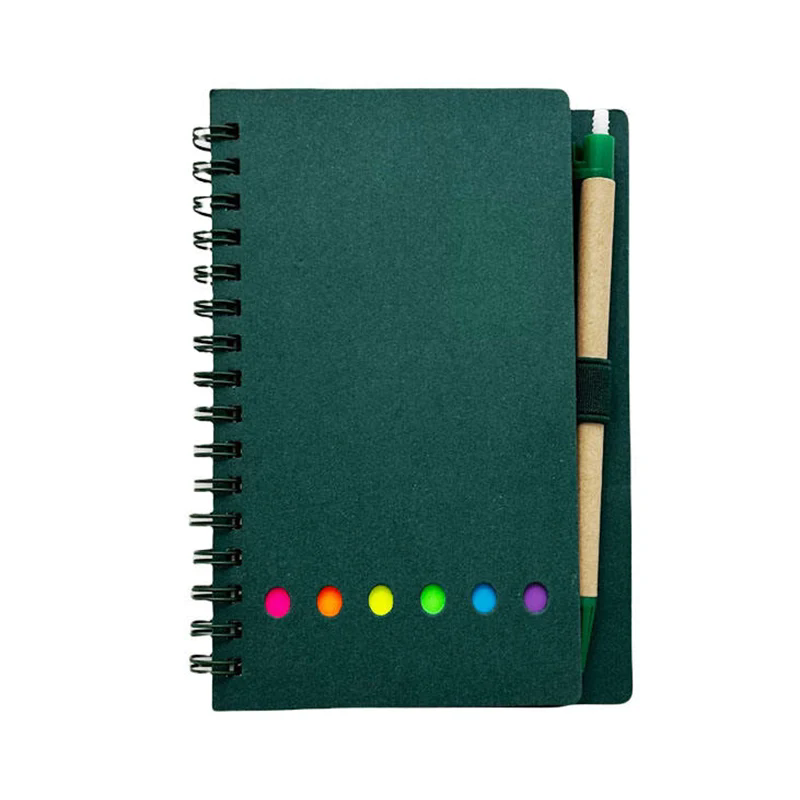
A receptionist peels a sticky notepad from a document and watches a small curl of paper tear away with it. A project manager removes a note from a whiteboard and finds a gummy residue that will not wipe off. A teacher sticks a note to a student's desk and later discovers that the note has fallen off entirely. These are not trivial annoyances. For a distributor sourcing Sticky Notepads for office supply chains, these small failures translate into returns, complaints, and lost repeat business. The difference between a notepad that peels cleanly and one that does not comes down to two things: the adhesive chemistry and the paper selection. Getting these right is the core challenge of sticky notepad manufacturing.
This guide is written for buyers who need to source Sticky Notepads that perform reliably in real-world office conditions. We will explain how the adhesive works, why some adhesives leave residue while others do not, how the paper grade affects peel performance, what specifications to include in a purchase order, and how to evaluate a supplier. We will also provide detailed product parameters from our factory at Wenzhou Yanhe Technology Co., Ltd. Whether you are sourcing for office supply chains, corporate promotional programs, or private label brands, this guide will help you select notepads that peel cleanly and build customer trust.
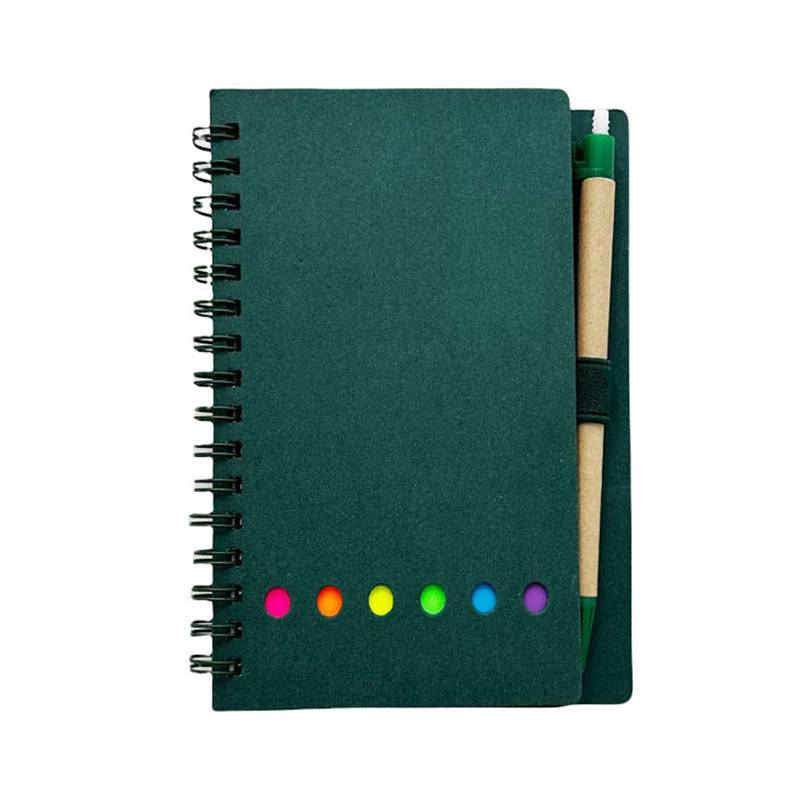
A sticky notepad peels cleanly when the adhesive releases from the surface without transferring residue and without tearing the paper. This requires a precise balance of three factors: the adhesive's tack, the adhesive's cohesion, and the paper's internal strength. Tack is the adhesive's initial grip on the surface. Cohesion is the adhesive's internal strength, meaning its ability to stay together rather than split and leave residue behind. Paper strength is the paper's resistance to tearing when the adhesive is peeled. When all three are balanced, the notepad lifts off cleanly. When any one is off, the result is residue, tearing, or poor adhesion. The table below summarizes these factors and their effects.
| Factor | Definition | Effect on Peel Performance |
| Tack | Initial grip of the adhesive | Too high: paper tears; too low: note falls off |
| Cohesion | Internal strength of the adhesive | Low cohesion: residue left on surface |
| Paper Strength | Resistance of paper to tearing | Low strength: paper tears during peel |
| Adhesive Coat Weight | Amount of adhesive applied | Too much: residue; too little: poor adhesion |
At Wenzhou Yanhe Technology Co., Ltd., our factory has been producing Sticky Notepads for over a decade. We have refined our adhesive formulation and coating process to achieve a clean peel on a wide range of surfaces, including paper, glass, metal, and painted walls. Our notepads are designed for repeated use, allowing users to reposition notes without leaving residue or losing adhesion.
The chemistry of the adhesive is the single most important factor in determining whether a sticky notepad peels cleanly. There are three main types of adhesive used in sticky notepads: acrylic, rubber, and hot-melt. Acrylic adhesives are the most common for high-quality notepads. They offer a balance of tack and cohesion, and they are resistant to aging and UV exposure. Rubber adhesives have higher initial tack, but they tend to degrade faster and leave residue, especially on surfaces that are exposed to heat or sunlight. Hot-melt adhesives are cost-effective, but their cohesion is lower, and they are more likely to leave residue when peeled. The table below compares these adhesive types.
| Adhesive Type | Tack | Cohesion | Residue Risk | Reusability | Typical Application |
| Acrylic | Moderate | High | Low | Good | Premium office notepads |
| Rubber | High | Moderate | Moderate to high | Fair | Economy notepads |
| Hot-Melt | Moderate to high | Low | High | Poor | Low-cost promotional notepads |
At our factory, we use high-quality acrylic adhesives for our Sticky Notepads. We control the coat weight precisely to ensure that the adhesive provides sufficient tack without leaving residue. We also offer custom adhesive formulations for customers who need notepads that adhere to specific surfaces, such as glass, metal, or painted walls. Our technical team can advise on the best adhesive for your application.
The paper used in a sticky notepad is not just a writing surface; it is part of the peel mechanism. The paper must be strong enough to resist tearing when the adhesive is peeled, but flexible enough to conform to the surface and to allow the adhesive to release cleanly. The most common paper for sticky notepads is wood-free paper with a basis weight of 70-80 gsm. This paper has good internal strength and a smooth surface that is suitable for writing. Recycled paper is also used, but its strength and smoothness can be variable, which may affect peel performance. The table below summarizes the paper options for sticky notepads.
| Paper Type | Basis Weight | Internal Strength | Surface Smoothness | Peel Performance |
| Wood-Free (Virgin) | 70-80 gsm | High | High | Excellent |
| Recycled | 70-80 gsm | Moderate to high | Moderate | Good |
| Colored (Virgin) | 70-80 gsm | High | High | Excellent |
| Lightweight | 50-60 gsm | Low | Moderate | Poor (tearing risk) |
At Wenzhou Yanhe Technology Co., Ltd., our factory uses high-quality wood-free paper for our Sticky Notepads. We source our paper from certified suppliers and inspect every batch for basis weight, smoothness, and strength. We also offer recycled paper options for customers who require environmentally friendly products. Our technical team can help you select the right paper for your application.
Sticky notepads are exposed to a wide range of environmental conditions in the office, and these conditions can affect their peel performance. The most common environmental factors are temperature, humidity, and surface contamination. High temperatures can soften the adhesive, increasing tack and the risk of residue. Low temperatures can make the adhesive brittle, reducing tack and causing the note to fall off. High humidity can cause the paper to absorb moisture, reducing its strength and increasing the risk of tearing. Surface contamination, such as oil, dust, or cleaning chemicals, can prevent the adhesive from forming a proper bond. The table below summarizes the effects of these environmental factors.
| Environmental Factor | Effect on Sticky Notepad Performance | Mitigation |
| High Temperature | Adhesive softens, residue risk increases | Use high-temperature adhesive formulation |
| Low Temperature | Adhesive becomes brittle, tack decreases | Use low-temperature adhesive formulation |
| High Humidity | Paper absorbs moisture, tearing risk increases | Use moisture-resistant paper coating |
| Surface Contamination | Adhesive cannot form a proper bond | Clean surface before application |
At our factory, we test our Sticky Notepads under a range of environmental conditions to ensure that they perform reliably. We offer different adhesive formulations for different climates, and we can provide advice on the best product for your specific conditions. Our goal is to provide notepads that peel cleanly and adhere reliably, regardless of the environment.
When purchasing Sticky Notepads, the buyer should include detailed specifications in the purchase order to ensure that the product meets the required performance and quality standards. The key specifications are the size, the paper type, the paper basis weight, the adhesive type, the adhesive coat weight, the color, the number of sheets per pad, and the packaging. The size should be specified in millimeters or inches. The paper type should be specified by type (e.g., wood-free, recycled). The paper basis weight should be specified in gsm. The adhesive type should be specified by chemistry (e.g., acrylic, rubber). The adhesive coat weight should be specified in gsm. The color should be specified by a color code or a sample. The number of sheets per pad should be specified. The packaging should be specified by the number of pads per carton. The table below summarizes the specifications that should be included in a purchase order.
| Specification | Unit of Measure | Example |
| Size | mm or inches | 76 x 76 mm |
| Paper Type | Type | Wood-free, virgin |
| Paper Basis Weight | gsm | 75 gsm |
| Adhesive Type | Chemistry | Acrylic |
| Adhesive Coat Weight | gsm | 10-15 gsm |
| Color | Color code or sample | Canary yellow |
| Sheets per Pad | Number | 100 sheets |
| Packaging | Pads per carton | 48 pads per carton |
At our factory, we work with our customers to ensure that all specifications are clearly defined and understood before production begins. We provide samples for approval and maintain strict quality control throughout the production process. Our goal is to deliver Sticky Notepads that meet or exceed our customers' expectations.
Evaluating a supplier of Sticky Notepads requires a focus on manufacturing capability, adhesive expertise, quality control, and technical support. The supplier must have the capability to coat, cut, and package notepads to the required specifications. They must have expertise in adhesive formulation and testing. They must have a quality control system that ensures consistent quality. And they must provide technical support to help you select the right product for your application. The table below summarizes these evaluation criteria.
| Evaluation Criterion | What to Look For | Why It Matters |
| Manufacturing Capability | Coating lines, cutting equipment, packaging lines | Ensures product quality and consistency |
| Adhesive Expertise | Knowledge of adhesive types, testing capabilities | Ensures the right adhesive for the application |
| Quality Control | ISO 9001, inspection records, peel testing | Ensures consistent quality |
| Technical Support | Application engineering, adhesive selection | Helps select the right product |
| Delivery Performance | On-time delivery record, inventory capability | Keeps your production line running |
At Yanhe, our factory has been producing Sticky Notepads for over a decade. We have extensive experience in adhesive selection and testing. We are ISO 9001 certified, and we maintain detailed records of all inspections. Our technical team is available to assist with adhesive selection and application engineering. We invite you to evaluate us against these criteria and to consider us as your partner for Sticky Notepads.
The following table provides the key product parameters for our Sticky Notepads. These notepads are designed for office, school, and promotional applications. Our factory can also produce custom notepads to meet specific requirements.
| Parameter | Specification Range | Notes |
| Size | 38 x 51 mm to 100 x 150 mm | Custom sizes available |
| Paper Type | Wood-free, Recycled, Colored | Selected for application |
| Paper Basis Weight | 70 - 80 gsm | Selected for strength and smoothness |
| Adhesive Type | Acrylic, Rubber, Hot-Melt | Selected for peel performance |
| Adhesive Coat Weight | 8 - 20 gsm | Selected for tack and residue |
| Sheets per Pad | 50, 100, 150 sheets | Custom sheet counts available |
| Color Options | Canary yellow, pastel, neon, white | Custom colors available |
| Packaging | 12, 24, 48 pads per carton | Custom packaging available |
| MOQ | 1,000 pads | Negotiable for large orders |
| Lead Time | 2 - 4 weeks | Depends on quantity and customization |
At our factory, we manufacture our Sticky Notepads to meet these specifications and more. We can customize the size, paper, adhesive, color, and packaging to suit your specific requirements. Our quality control system includes inspection of raw materials, in-process inspection, and final inspection before shipment. Our goal is to provide our customers with high-quality Sticky Notepads that peel cleanly and adhere reliably.
Question 1: Why do some sticky notepads leave residue when peeled?
Answer: Residue is usually caused by an adhesive with low cohesion or a coat weight that is too high. When the adhesive is peeled, it splits internally, leaving part of the adhesive on the surface. Hot-melt adhesives are more prone to this than acrylic adhesives. To avoid residue, specify an acrylic adhesive with a controlled coat weight and test the notepad on the surfaces where it will be used.
Question 2: Can sticky notepads be reused after peeling?
Answer: Yes, high-quality Sticky Notepads can be reused several times. The acrylic adhesive retains its tack after peeling, allowing the note to be repositioned on a different surface. However, the adhesive will gradually pick up dust and oils from the surfaces, reducing its tack over time. For best results, reposition the note on a clean surface and avoid touching the adhesive with your fingers.
Question 3: What is the best paper weight for sticky notepads?
Answer: The best paper weight for Sticky Notepads is 70-80 gsm. This weight provides sufficient internal strength to resist tearing during peeling, while remaining flexible enough to conform to surfaces. Lighter paper (50-60 gsm) is more prone to tearing, while heavier paper (90-100 gsm) may be too stiff and may not adhere as well to curved surfaces.
Question 4: Do sticky notepads work on all surfaces?
Answer: Sticky Notepads work best on smooth, clean, dry surfaces such as paper, glass, metal, and painted walls. They may not adhere well to rough, dusty, oily, or wet surfaces. For difficult surfaces, specify a high-tack adhesive or test the notepad before committing to a large order. Our technical team can advise on the best adhesive for your specific surface.
Question 5: How should I store sticky notepads to maintain their performance?
Answer: Sticky Notepads should be stored in a cool, dry place, away from direct sunlight and heat sources. High temperatures can soften the adhesive and cause the pads to stick together. High humidity can cause the paper to absorb moisture and lose strength. Keep the pads in their original packaging until use to protect them from dust and contamination.
The difference between a Sticky Notepad that peels cleanly and one that leaves residue comes down to the adhesive chemistry and the paper selection. Acrylic adhesives with high cohesion and a controlled coat weight provide the best balance of tack and clean release. Wood-free paper with a basis weight of 70-80 gsm provides the strength needed to resist tearing during peeling. Environmental conditions such as temperature, humidity, and surface contamination also affect performance. For buyers, understanding these factors is essential for selecting notepads that meet the expectations of their customers. At Wenzhou Yanhe Technology Co., Ltd., our factory has the expertise and the equipment to produce high-quality Sticky Notepads that peel cleanly and adhere reliably. We use premium acrylic adhesives, high-quality paper, and rigorous quality control to ensure that every notepad meets the highest standards of performance.
Whether you are sourcing notepads for office supply chains, corporate promotional programs, or private label brands, we invite you to contact us to discuss your requirements. We can provide samples, technical data, and customized solutions. Our commitment to quality and customer satisfaction has made us a trusted partner for businesses around the world.
Contact Wenzhou Yanhe Technology Co., Ltd. today to discuss your Sticky Notepad requirements and discover how our products can deliver clean peel performance and build customer trust.